Wisdom teeth are the final set of molars to develop, and their arrival often occurs during the late teen and young adult years. While some people have enough room in their mouths for these teeth to emerge normally, others may experience crowding, impaction, discomfort, or other dental concerns. For young adults, understanding what to expect can make the process of evaluating and removing wisdom teeth less stressful.
According to the American Dental Association, wisdom teeth typically emerge between the ages of 17 and 21, making tooth extraction a common procedure for older teens and college-aged adults when these teeth become impacted or overcrowded.
Wisdom tooth removal is a routine dental procedure, but every patient’s situation is different. A dental professional can use an examination and dental imaging to determine how the wisdom teeth are developing and whether removal is appropriate.
Why Wisdom Teeth May Need To Be Removed
Wisdom teeth do not always cause problems. When there is sufficient space for them to emerge properly and they can be cleaned effectively, a dentist may recommend monitoring them rather than removing them immediately.
Problems can occur when there is not enough room for the teeth to develop normally. A wisdom tooth may become impacted, meaning it remains partially or completely beneath the gum or grows at an unusual angle. An impacted tooth can put pressure on nearby teeth or make the surrounding area difficult to clean.
Partially erupted wisdom teeth can also create areas where food particles and bacteria become trapped. This can contribute to inflammation or infection around the tooth. Crowding may create additional challenges for maintaining good oral hygiene, particularly when the wisdom teeth are located toward the back of the mouth.
Other reasons for a tooth extraction can include damage to neighboring teeth, cysts or other changes around the tooth, or recurring discomfort. A dentist will evaluate the individual’s oral health before determining whether removal is necessary.
For young adults, addressing problematic wisdom teeth before they create more significant complications may be part of maintaining long-term oral health.
What Happens During A Wisdom Tooth Evaluation
Before a tooth extraction is scheduled, the dentist will typically examine the mouth and review dental imaging. X-rays can show the position of the wisdom teeth beneath the gums and help identify their relationship to surrounding teeth and structures.
The evaluation also gives the dental team an opportunity to discuss symptoms and concerns. Patients should mention pain, swelling, difficulty opening the mouth, sensitivity, or recurring problems around the back molars.
Not every wisdom tooth requires immediate removal. Some may be monitored during routine dental appointments if they are healthy, fully erupted, and easy to keep clean. Others may be recommended for removal because their position or development creates a greater risk of future problems.
Young adults should also ask questions before the procedure. Understanding the planned approach, anesthesia or sedation options, expected recovery, and post-procedure instructions can make it easier to prepare.
Understanding The Tooth Extraction Procedure
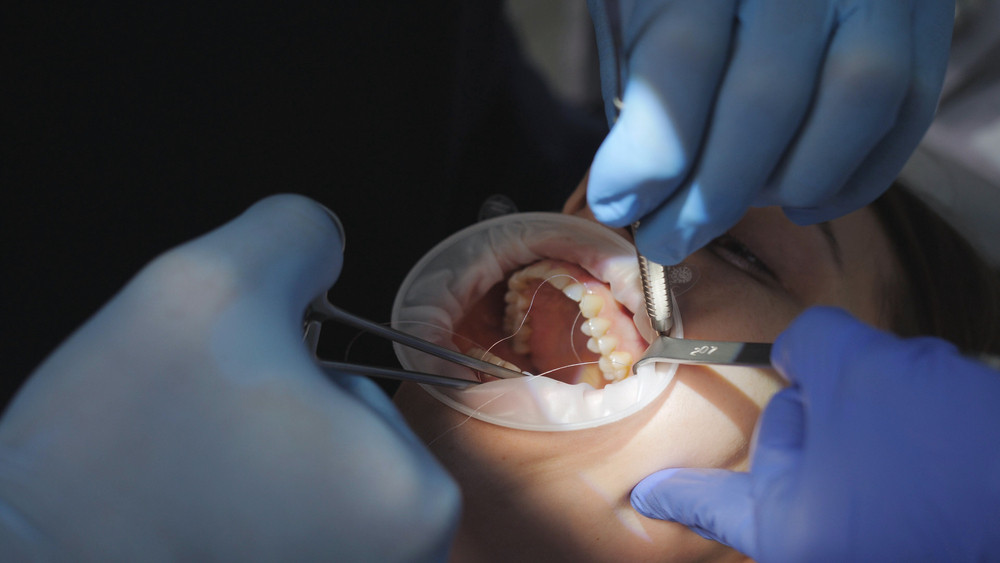
The specific approach used for wisdom tooth removal depends on how the tooth has developed. A fully erupted wisdom tooth may be removed using a relatively straightforward procedure. An impacted tooth may require a surgical approach to access the tooth beneath the gum or surrounding bone.
Before beginning, the dental professional will use an appropriate anesthetic or sedation method based on the procedure and the patient’s needs. The goal is to help the patient remain comfortable during treatment.
After the tooth is removed, the dental team will provide instructions for protecting the extraction site. These instructions may address eating, drinking, oral hygiene, physical activity, and other aspects of recovery.
Patients should follow those instructions carefully. The extraction site needs time to heal, and certain activities can interfere with the healing process. It is also important to contact the dental office if unexpected or worsening symptoms develop after the procedure.
Preparing For Recovery
Planning ahead can make recovery more manageable, particularly for college students and young adults with busy schedules. Scheduling the procedure at a time that allows for adequate rest can help patients avoid returning to work, school, or strenuous activities immediately.
Soft foods are often easier to eat during the initial recovery period. Patients may want to have suitable foods available before their appointment so they do not have to make meal decisions while recovering.
Following post-procedure oral hygiene instructions is also important. Patients should keep their mouths clean while being careful around the extraction area. The dental team can explain how to maintain oral hygiene without disturbing the healing site.
Physical activity may also need to be limited temporarily. The appropriate timeline can vary depending on the procedure and the individual’s recovery, so patients should follow the specific guidance provided by their dental professional.
Recognizing Potential Complications
Wisdom tooth removal is common, but patients should understand that complications can occur. Following the dental team’s instructions can help support normal healing.
Some soreness, swelling, and tenderness can be expected after the procedure. However, patients should pay attention to symptoms that appear unusual or worsen rather than improve.
A condition known as dry socket can occur when the blood clot that forms at the extraction site becomes dislodged or breaks down before the area has adequately healed. Severe or increasing pain after an initial period of improvement should be discussed with a dental professional.
Persistent bleeding, significant swelling, fever, difficulty breathing or swallowing, or other concerning symptoms should also receive prompt professional attention.
Making Wisdom Tooth Care Part Of Long-Term Oral Health
Young adulthood is an important time to establish consistent dental habits. Regular dental examinations allow dentists to monitor wisdom teeth and identify developing problems before they become more complicated.
Even when wisdom teeth are not causing symptoms, routine examinations can help determine whether their position is changing or becoming more difficult to clean. Early evaluation can give patients more time to understand their options.
For college students and young professionals, maintaining dental appointments can be challenging due to changing schedules, moving between cities, or other responsibilities. Establishing a relationship with a dental practice can make it easier to keep up with preventive care and address concerns as they arise.
Campus Dental Care can help young adults understand their wisdom-tooth options and determine whether removal is appropriate based on their individual dental needs. A professional evaluation can provide information about the position of the teeth, potential concerns, and the recommended approach.
Know What To Expect Before Wisdom Tooth Removal
Wisdom tooth removal does not have to be an intimidating experience. Learning why a dentist may recommend removal, understanding how the procedure works, preparing for recovery, and knowing which symptoms require attention can help young adults approach treatment with greater confidence.
The most important step is receiving an individualized evaluation rather than assuming that every wisdom tooth needs to be removed. Dental imaging and an examination can help determine whether monitoring or removal is appropriate.
If you are a young adult with developing wisdom teeth, schedule an evaluation with Campus Dental Care to discuss your oral health and treatment options. Contact the office today to learn more about tooth extraction and take the next step toward maintaining a healthy smile.